
Smile SOS: How to Tell When You Need Urgent Dental Care
December 10, 2025
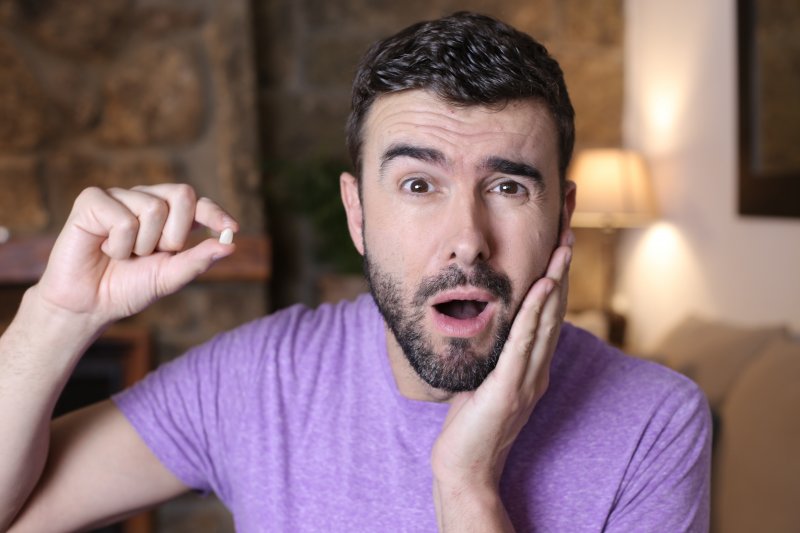
A dental emergency may not always seem like a serious problem, especially if you feel no pain. However, what you don’t realize is that the situation can be more urgent than you think. Before attempting to “wait it out” and see if your injury improves on its own, find out what constitutes a dental emergency and when you should see a dentist for immediate care.
Urgent vs. Non-Urgent Dental Emergencies
What is considered an urgent dental emergency versus one that can wait a few days before requiring treatment? Here’s a quick breakdown below:
Urgent Dental Emergencies
- A partially dislodged permanent or primary tooth
- Dental abscesses or bumps that form on the gums
- A knocked-out tooth
- Cracked or chipped teeth that cause serious pain
- A persistent, painful toothache
Non-Urgent Dental Emergencies
- A soft tissue laceration (i.e., bitten lip or tongue)
- Food that is stuck between your teeth
- A broken or cracked tooth that is not causing pain
- A lost dental filling or crown
- A minor toothache
Some general symptoms that indicate a serious dental emergency include continuous bleeding, excessive swelling, fever, and severe pain. If you have a fractured jaw or you cannot stop the bleeding after 10 minutes, get to a local emergency room for immediate medical attention.
When Should You See Your Dentist Right Away?
If you have an urgent dental emergency, do not wait to call your dentist’s office. Your dental team will work to schedule a time for you to come in and get immediate care.
Your dentist will target the source of the pain to provide much-needed relief. They will then create a treatment plan to address the underlying issue so that your smile can be restored to its former, pre-injured state.
A good rule of thumb is to call your dentist if you are experiencing any kind of dental pain.
Ways to Avoid Dental Emergencies
If you want to stay out of the dentist’s office, there are a few things you can do to protect your smile:
- Practice good oral hygiene at home (i.e., brushing, flossing, rinsing)
- Maintain your six-month dental checkups and cleanings with your dentist
- Avoid bad habits, like eating ice, smoking, and using your teeth to open packages
- Wear a custom mouthguard while playing sports or if you grind your teeth at night
- Avoid hard, crunchy foods that can damage your teeth (i.e., popcorn, hard candy, etc.)
Your teeth are durable but not indestructible, so do your best to protect your smile. If an injury occurs, don’t wait to seek the professional help you need.
About the Author
Dr. DawnMarie DiGrazia believes in making dentistry comfortable for her patients. Graduating with her DMD in 2002 from the University of Medicine and Dentistry of New Jersey, she leads the team at Somerset Dental Arts, providing same-day emergency care for those in pain. If you or a loved one is dealing with a dental crisis and needs urgent attention, visit our website or call (908) 722-2999 to schedule an appointment.
No Comments
No comments yet.
RSS feed for comments on this post.
Sorry, the comment form is closed at this time.